Frequently Asked Questions
-
Music therapy sessions may look lively and enjoyable, but they are guided by therapeutic intention and clinical objectives. As a registered music therapist, I use music purposefully to support communication, emotional wellbeing and social connection.
Rather than performing for residents, I work with them as active participants in shared musical experiences. Sessions are responsive to each individual’s abilities, preferences and needs, allowing meaningful engagement regardless of musical experience or capacity.
-
Not at all. Music therapy is designed to be accessible to people of all abilities.
Participation can be through singing, playing simple instruments, listening, movement, conversation about music, or simply responding in their own way. The role of the therapist is to adapt the musical experience so that everyone can take part meaningfully.
-
Yes. Music therapy can be particularly valuable for residents who have limited mobility or difficulty communicating with words.
In these situations sessions may take place in the resident’s room. Music can offer ways of connecting and expressing emotion even when verbal communication is difficult.
-
Music therapy works best when sessions take place regularly over time. Consistent contact allows residents to become familiar with the therapist, build trust and develop confidence in expressing themselves through music.
In most care homes sessions take place weekly or fortnightly, and may include a combination of individual work and group sessions depending on the needs of the home.
-
All work is carried out in line with professional standards and the safeguarding policies of the care home.
I hold an enhanced DBS check and have completed Safeguarding of Children, Young People and Adults Level 3 (VTQ) training. Music therapy sessions are always conducted with respect for residents’ dignity, preferences, confidentiality and consent, and in close collaboration with staff teams.
-
Yes. Alongside music therapy sessions I offer workshops for staff teams exploring practical ways music can be used within day-to-day care.
These sessions focus on simple, accessible approaches that carers and activity coordinators can use to support connection, communication and wellbeing through music.
-
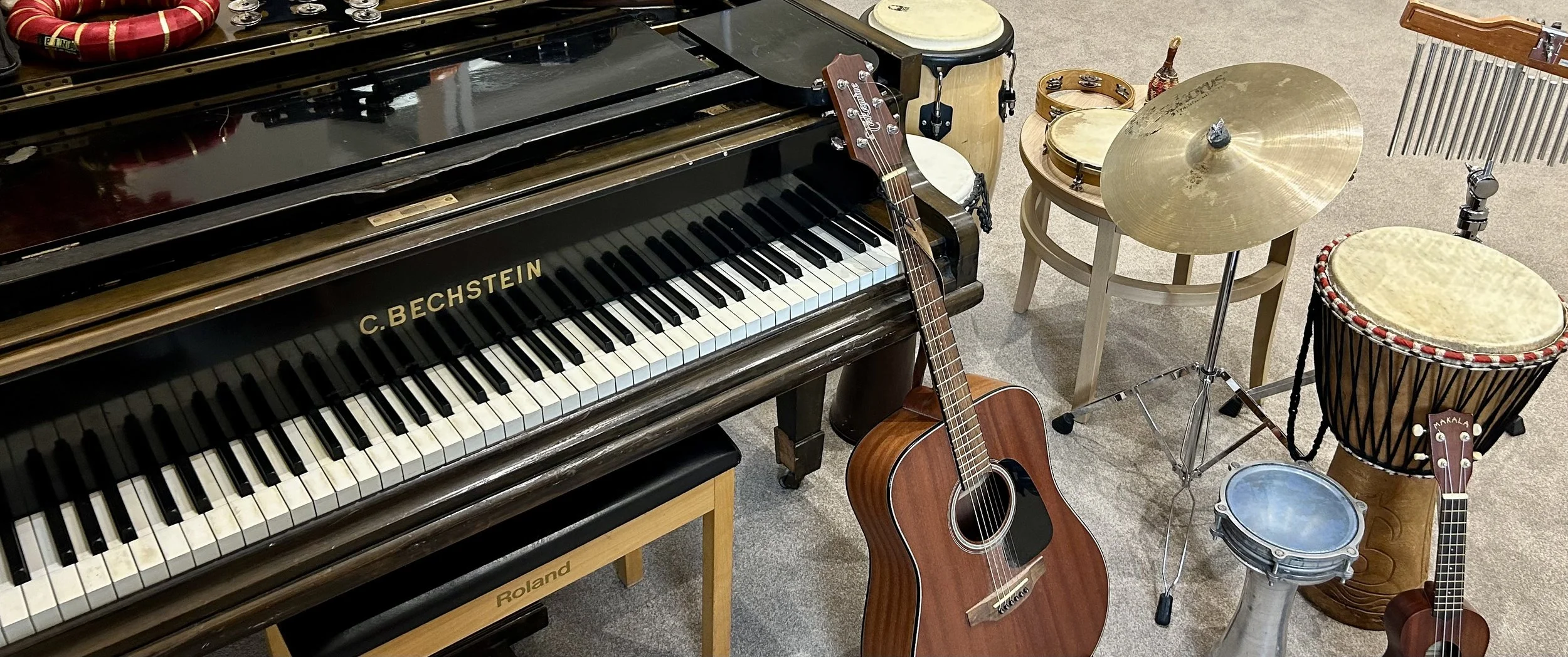
All musical equipment is provided and maintained by me.
This usually includes portable instruments such as percussion, ukulele or guitar, as well as any other materials needed for the sessions. All equipment is easy to use and suitable for residents with a wide range of physical abilities.Item description
-
We usually begin with an initial conversation to understand the needs of your residents and the priorities of the home.
From there I can suggest a structure for sessions — typically a combination of individual and group work — designed to fit naturally within the routines of the home. Programmes can then develop gradually over time as residents become familiar with the sessions and the therapeutic relationship grows.
-
Yes. As a registered music therapist I keep my own confidential clinical records in line with professional standards and good practice.
Where appropriate, I can also contribute to documentation within the care home, such as writing brief notes in residents’ care plans, providing reports or reviews, and contributing to multidisciplinary discussions about residents’ wellbeing.
The level of documentation is always agreed with the home so that it supports existing care processes while respecting confidentiality.
-
Fees are tailored to the specific needs of your care home and residents. As a bespoke service, pricing depends on factors such as the frequency of sessions, the number of residents (individual vs. group sessions), and whether you require specialized assessments or documentation. Please contact me for a customized quote.